Oligodendroglioma
Evaluation and treatment planning for oligodendroglioma, an IDH-mutant, 1p/19q-codeleted glioma that may cause seizures, headaches, or neurological symptoms.

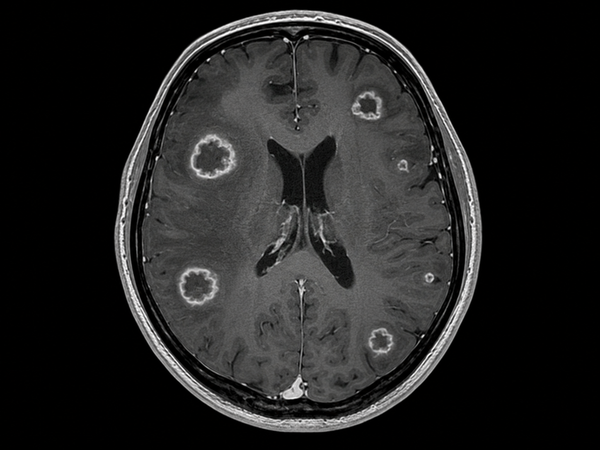
Metastatic brain tumors, also called brain metastases, are tumors that form when cancer cells spread to the brain from another part of the body. These tumors are different from primary brain tumors because they did not start in the brain.
A metastatic brain tumor keeps the identity of the original cancer. For example, lung cancer that spreads to the brain is still considered metastatic lung cancer, not a new primary brain cancer. Common cancers that may spread to the brain include lung cancer, breast cancer, melanoma, kidney cancer, and colorectal cancer.
De Novo Brain & Spine evaluates adult patients with suspected or confirmed metastatic brain tumors to help determine whether neurosurgical treatment may be appropriate. Evaluation may include neurological examination, brain MRI, CT imaging, review of cancer history, tissue diagnosis when needed, surgical consultation, and coordination with oncology, radiation oncology, or other specialists.
Metastatic brain tumor symptoms depend on the number of tumors, tumor size, location in the brain, swelling around the tumor, and effect on nearby brain tissue. Some brain metastases are found during cancer surveillance imaging before symptoms develop.
Common signs and symptoms may include:
Seek emergency medical care or call 911 for a first-time seizure, sudden weakness, sudden speech difficulty, sudden vision loss, severe confusion, loss of consciousness, or a rapidly worsening headache with vomiting or neurological changes.
Metastatic brain tumors are caused by cancer cells spreading to the brain from a cancer that began somewhere else in the body. This process is called metastasis.
Important facts about causes and risk factors include:
Metastatic brain tumors are not caused by head injury, routine daily activity, or lifestyle factors alone. Treatment planning depends on the primary cancer type, brain imaging findings, neurological symptoms, systemic disease status, and the patient’s overall health.
Metastatic brain tumors cannot be diagnosed by symptoms alone. Diagnosis usually requires neurological evaluation, brain imaging, and review of the patient’s cancer history. Tissue testing may be needed in selected cases.
Common diagnostic steps may include:
The goal of diagnosis is to confirm whether the brain lesion is metastatic cancer, identify the primary tumor when needed, understand the number and location of brain metastases, and determine whether surgery, radiation, systemic therapy, or supportive care may be appropriate.
Metastatic brain tumor treatment depends on the primary cancer type, number of brain metastases, size and location of tumors, symptoms, swelling, prior treatments, systemic disease status, neurological examination, surgical risk, and the patient’s overall health and goals of care.
Treatment options may include:
Surgery is not appropriate for every metastatic brain tumor. Neurosurgical treatment may be considered when a lesion is large, symptomatic, causing mass effect, causing swelling, creating diagnostic uncertainty, or located where removal may help relieve pressure or support the next stage of cancer treatment.
Schedule a Consultation
Get an expert opinion about your condition.
Evaluation and treatment planning for oligodendroglioma, an IDH-mutant, 1p/19q-codeleted glioma that may cause seizures, headaches, or neurological symptoms.
Evaluation and treatment for glioblastoma, an aggressive malignant brain tumor that may require MRI, biopsy, surgery, radiation, chemotherapy, and neuro-oncology care.
Evaluation and treatment planning for traumatic brain injury, including concussion, brain bleeding, skull fracture, swelling, and neurological symptoms after head trauma.