Astrocytoma
Astrocytoma is a glioma brain tumor that may require MRI diagnosis, biopsy, surgery, radiation therapy, chemotherapy, or monitoring.

Comprehensive evaluation and treatment for brain tumors, traumatic brain injury, hydrocephalus, hemorrhage, and other complex brain conditions.
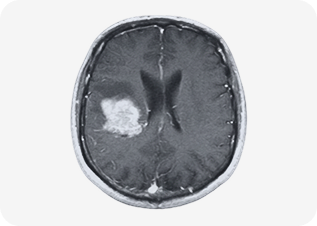
Astrocytoma is a glioma brain tumor that may require MRI diagnosis, biopsy, surgery, radiation therapy, chemotherapy, or monitoring.
Evaluation and treatment planning for brain aneurysms, also called cerebral or intracranial aneurysms, including unruptured and ruptured aneurysms.
Evaluation and treatment planning for brain hemorrhage, including bleeding in or around the brain that may require urgent neurological care.
Evaluation and treatment planning for benign and malignant brain tumors, including gliomas, meningiomas, metastatic tumors, pituitary tumors, and ventricular tumors.
Evaluation and treatment planning for cavernous malformations, also called cavernomas or cavernous angiomas, that may cause seizures, headaches, or bleeding.
Evaluation and treatment planning for colloid cysts, benign third ventricle cysts that may cause cerebrospinal fluid blockage, headaches, or hydrocephalus.
Evaluation and treatment planning for craniopharyngioma, a benign skull base tumor near the pituitary gland, optic nerves, and hypothalamus.
Evaluation and treatment planning for dural AV fistula, an abnormal artery-to-vein connection that may cause tinnitus, neurological symptoms, or bleeding.
Evaluation and treatment planning for facial pain related to cranial nerve irritation, trigeminal neuralgia, nerve injury, tumors, or other neurological causes.
Evaluation and treatment for glioblastoma, an aggressive malignant brain tumor that may require MRI, biopsy, surgery, radiation, chemotherapy, and neuro-oncology care.
Evaluation and treatment planning for glossopharyngeal neuralgia, a cranial nerve pain condition affecting the throat, tongue, tonsil, ear, or jaw region.
Evaluation and treatment planning for hemifacial spasm, a facial nerve disorder causing involuntary twitching or contractions on one side of the face.
Evaluation and treatment planning for hydrocephalus, a cerebrospinal fluid buildup that may cause headaches, walking problems, cognitive changes, or urgent symptoms.
Evaluation and treatment planning for meningioma, a usually benign tumor of the meninges that may affect brain, skull base, or nerve function.
Evaluation and treatment planning for metastatic brain tumors, also called brain metastases, when cancer spreads to the brain from another site.
Evaluation and treatment planning for occipital neuralgia, a nerve pain condition that may cause sharp, shooting, or electric-like pain in the back of the head.
Evaluation and treatment planning for oligodendroglioma, an IDH-mutant, 1p/19q-codeleted glioma that may cause seizures, headaches, or neurological symptoms.
Evaluation and treatment planning for pituitary tumors that may affect hormone function, vision, headaches, and nearby skull base structures.
Evaluation and treatment planning for recurrent brain tumors, when a previously treated brain tumor returns, grows, or progresses on follow-up imaging.
Evaluation and treatment planning for traumatic brain injury, including concussion, brain bleeding, skull fracture, swelling, and neurological symptoms after head trauma.
Evaluation and treatment planning for trigeminal neuralgia, a cranial nerve pain condition causing sudden, severe, electric-like facial pain.
Evaluation and treatment planning for ventricular tumors, brain tumors located near cerebrospinal fluid pathways that may cause hydrocephalus or neurological symptoms.