Dural AV Fistula
Evaluation and treatment planning for dural AV fistula, an abnormal artery-to-vein connection that may cause tinnitus, neurological symptoms, or bleeding.

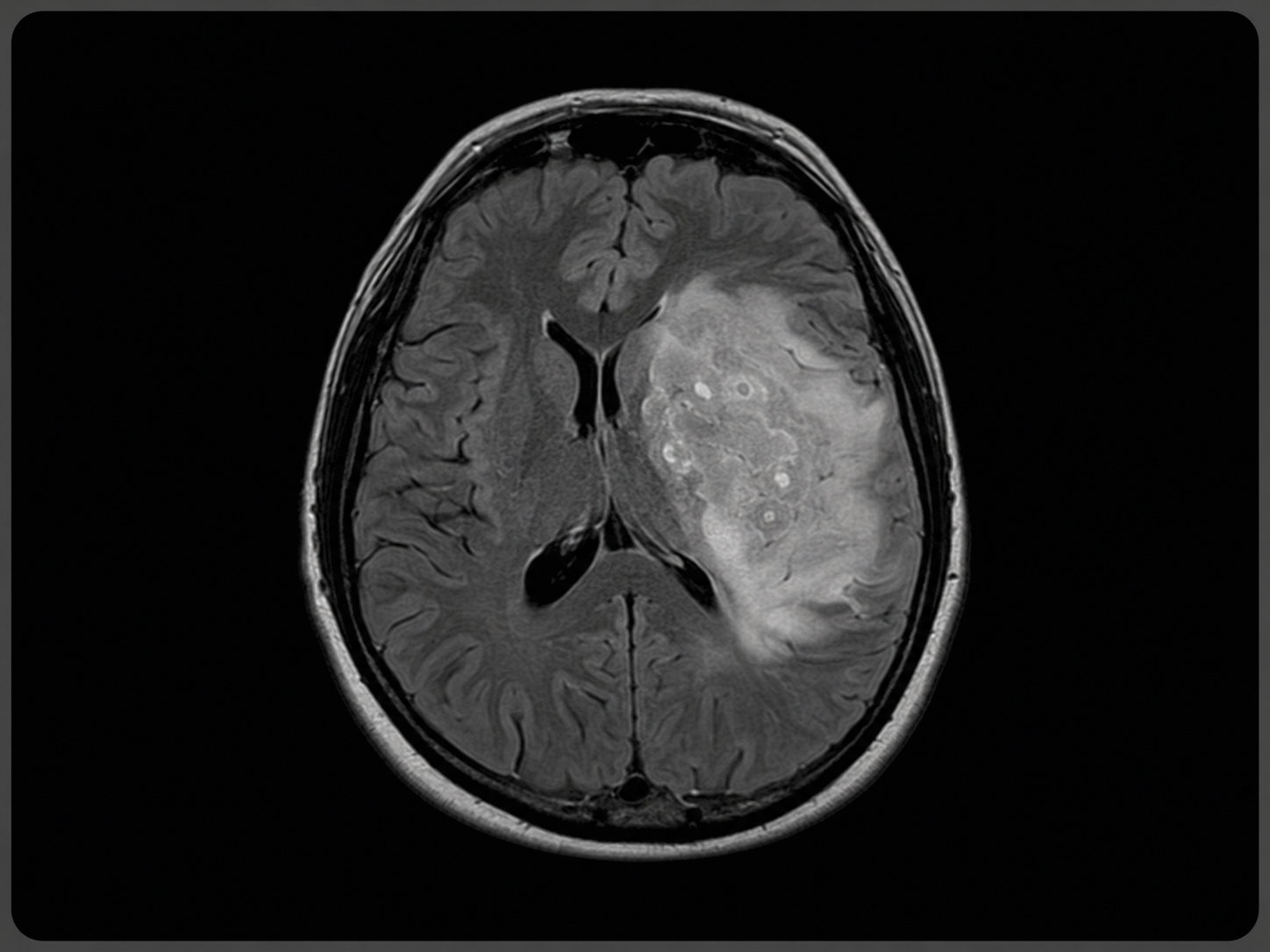
Astrocytoma is a type of glioma, which is a tumor that develops from glial cells in the brain or spinal cord. Astrocytomas are associated with astrocytes, support cells that help nerve cells function. In adults, astrocytomas can behave differently depending on the tumor’s grade, location, growth pattern, and molecular features.
Many adult diffuse astrocytomas are now classified using both microscopic appearance and molecular testing. Patients may see terms such as Astrocytoma, IDH-mutant, CNS WHO grade 2, grade 3, or grade 4, as well as older terms such as diffuse astrocytoma or anaplastic astrocytoma. These details help doctors understand the tumor more precisely and plan care.
De Novo Brain & Spine evaluates adult patients with suspected or confirmed astrocytoma to help determine the appropriate next step. Evaluation may include neurological examination, brain MRI, CT imaging, biopsy, image-guided tumor resection, or coordination with neuro-oncology, radiation oncology, neurology, or other specialists when needed.
Astrocytoma symptoms depend on the tumor’s location, size, grade, growth pattern, and swelling around the tumor. Some symptoms develop slowly, while others may appear more suddenly.
Common signs and symptoms may include:
Seek emergency medical care or call 911 for a first-time seizure, sudden weakness, sudden speech difficulty, severe confusion, loss of consciousness, or a rapidly worsening headache with vomiting or neurological changes.
Most astrocytomas develop without a clearly known cause. A diagnosis of astrocytoma does not usually mean that the patient did something to cause the tumor.
Possible risk factors may include:
Doctors may also review molecular and genetic tumor features to classify the astrocytoma and guide treatment planning. These may include IDH mutation status, ATRX expression, TP53 mutation, MGMT promoter methylation, CDKN2A/B status, and 1p/19q testing when needed to distinguish astrocytoma from oligodendroglioma.
These molecular findings are not lifestyle causes. They are tumor features that help confirm the diagnosis, determine tumor grade, and guide treatment decisions.
Astrocytoma cannot be diagnosed by symptoms alone. Diagnosis usually requires a combination of medical history, neurological examination, brain imaging, and tissue testing.
Common diagnostic steps may include:
The goal of diagnosis is to confirm the tumor type, understand how the astrocytoma is affecting the brain, and determine whether observation, surgery, radiation therapy, chemotherapy, or additional specialty care may be needed.
Astrocytoma treatment depends on the tumor’s grade, molecular features, size, location, symptoms, imaging findings, neurological examination, surgical risk, and the patient’s overall health. Not every astrocytoma requires immediate surgery or treatment.
Treatment options may include:
Surgery is considered when it may help confirm the diagnosis, remove tumor, relieve pressure on the brain, reduce symptoms, or support the next stage of treatment. The safest plan depends on the astrocytoma’s location, grade, molecular features, and relationship to important brain structures. Patients with astrocytoma may need advanced neurosurgical planning when surgery is being considered, including craniotomy for brain tumor resection.
An astrocytoma is a type of tumor that develops from cells in the brain or spinal cord called astrocytes. Different types and grades of astrocytomas can behave differently.
The exact cause of many astrocytomas is not known. Certain genetic or cellular changes may play a role in how these tumors develop.
Symptoms can vary depending on the tumor’s location, size, and characteristics. They may include headaches, seizures, changes in movement or sensation, or other neurological symptoms.
Evaluation may include a medical and neurological examination, imaging studies such as MRI or CT scans, and additional testing when appropriate.
Treatment depends on factors such as the tumor type, grade, location, size, symptoms, and overall clinical findings. Options may include monitoring, surgery, radiation therapy, medication, or other forms of care when appropriate.
Schedule a Consultation
Get an expert opinion about your condition.
Evaluation and treatment planning for dural AV fistula, an abnormal artery-to-vein connection that may cause tinnitus, neurological symptoms, or bleeding.
Evaluation and treatment planning for colloid cysts, benign third ventricle cysts that may cause cerebrospinal fluid blockage, headaches, or hydrocephalus.
Evaluation and treatment planning for traumatic brain injury, including concussion, brain bleeding, skull fracture, swelling, and neurological symptoms after head trauma.