
Spine Surgeon in Stockbridge, GA
Patients looking for a spine surgeon in Stockbridge, Georgia, can receive care from Larry R. Shannon II, MD, FAANS, a board-certified neurosurgeon at De Novo Brain & Spine. Dr. Shannon evaluates problems in the neck, mid-back, lower back, spinal cord, and nerve roots. He treats both common and complex spine conditions. These include herniated discs, spinal stenosis, spinal instability, spinal tumors, and symptoms after a prior spine operation.
De Novo Brain & Spine is in Stockbridge and serves adults from Henry County and nearby South Metro Atlanta communities.
A Spine Surgeon With Neurosurgical Training
During a spine visit, he does not rely on one scan alone. He looks at pain, strength, feeling, reflexes, balance, walking, hand use, and daily function. This is especially useful when symptoms may involve a nerve or the spinal cord, the cause is not clear, or symptoms remain after a prior operation.
When to See a Spine Surgeon
- Neck or back symptoms continue after initial treatment.
- Pain travels into an arm, hand, leg, or foot.
- Numbness, tingling, weakness, or foot drop is new or getting worse.
- Balance, walking, coordination, or hand function has changed.
- Imaging shows a herniated disc, spinal stenosis, instability, deformity, fracture, tumor, or another spine problem.
- A clinician has recommended spine surgery.
- Symptoms continue or return after a previous spine operation.
- You want a second opinion before deciding about surgery.
Seeing a spine surgeon does not make an operation the only option. The visit helps decide whether surgery may help, whether more information is needed, or whether care without surgery is a better next step.
Spine Conditions We Evaluate and Treat
Disc and Degenerative Spine Conditions
These problems can cause neck or back pain, stiffness, or pressure on a nerve or the spinal cord. A finding on a scan does not prove that it is causing the symptoms. The scan should match the history and exam.
Nerve-Related Spine Conditions
Radiculopathy means that a spinal nerve root is irritated or compressed. It may cause pain, numbness, tingling, or weakness in an arm or leg. Many nerve problems improve without surgery. New or worsening weakness, balance trouble, or signs of spinal cord pressure may need faster review.
Instability, Deformity, and Complex Spine Conditions
Complex spine care may involve a deformity, abnormal motion, a tumor, a prior fusion, or pressure that has returned. It may also involve pain or nerve symptoms after earlier surgery. These cases often require a close review of old records, new imaging, spinal alignment, and nerve function.
For more diagnoses, visit the Spine Conditions page.
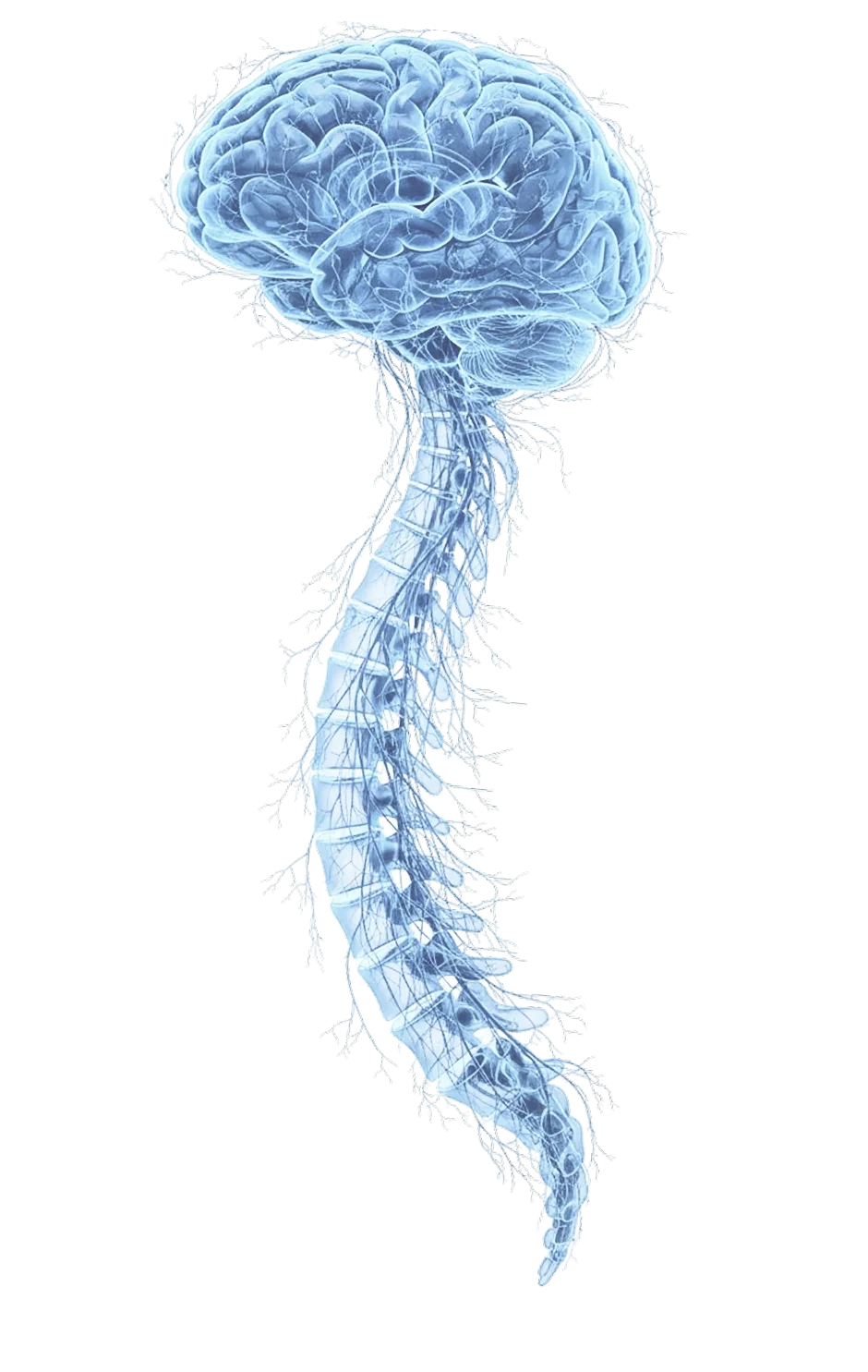
How Dr. Shannon Decides Whether Spine Surgery May Help
Dr. Shannon reviews:
- Where the symptoms are and how long they have been present.
- Changes in strength, feeling, balance, walking, coordination, or hand use.
- Findings from the physical and neurologic exams.
- Whether the imaging matches the side, level, and pattern of the symptoms.
- Treatments already tried and how well they worked.
- Prior spine surgery and older imaging.
- Overall health, bone strength, medicines, and surgical risk.
- The patient’s goals, likely benefit, other options, and possible risks.
For many planned spine operations, surgery is considered after care without surgery has not helped enough and a clear problem matches the symptoms. Some problems need faster review. These include worsening nerve loss, spinal cord pressure, major instability, an unstable fracture, infection, or a tumor.
The next step may be more care without surgery, another test, a referral, close follow-up, or a talk about surgery. Not every abnormal scan needs an operation. Surgery also cannot fix every cause of neck or back pain.

Spine Surgery Procedures and Treatment Options
Minimally Invasive and Motion-Preserving Spine Surgery
- Minimally Invasive Spine Surgery
- Robotic Assisted Spine Surgery
- Microdiscectomy
- Cervical Disc Replacement
- Lumbar Disc Replacement
Minimally invasive spine surgery uses smaller paths to reach the spine in selected cases. The goal is to limit harm to nearby muscles and tissues. Robotic assistance is a tool for planning and guidance during selected operations. It does not decide who needs surgery. Disc replacement aims to keep motion at the treated level and is used only in carefully selected patients.
Fusion and Stabilization Procedures
- Anterior Cervical Discectomy and Fusion (ACDF)
- Anterior Lumbar Interbody Fusion
- Lateral Interbody Fusion
- Transforaminal Interbody Fusion
- Cervical Posterior Fusion
- SI Joint Fusion
Fusion joins two or more bones to limit harmful motion and improve stability. It may be used for selected cases of instability, deformity, spinal slippage, fracture, or repeat nerve pressure. The type of fusion depends on the problem and the part of the spine involved.
Decompression and Complex Spine Procedures
Decompression surgery creates more room for the spinal cord or nerve roots. Complex surgery may also remove part of a vertebra, treat a tumor, rebuild the spine, or add support. The plan depends on the exact cause and location of the problem.
Visit the Treatments page to learn more about surgical and nonsurgical options.
What to Expect at a Spine Surgery Consultation
Bring or arrange access to:
- The actual MRI, CT, and X-ray images, not only the written reports.
- Older imaging for comparison.
- Operative reports and records from any prior spine surgery.
- A list of treatments tried and how well they worked.
- A current medicine list and key health history.
- Notes about when symptoms began, where they travel, and what activities have changed.
The visit should give you a clearer view of the likely diagnosis, what else may be needed, and which next steps may make sense. Review the Prepare for Your Visit page before your appointment.
Second Opinions Before Spine Surgery
A second opinion may confirm the first plan, suggest a different approach, or show that surgery is not the best next step. Dr. Shannon may review existing images and treatment plans as part of the visit. The images are reviewed with the history and exam. This is not a stand-alone image reading service.
What Patients Can Expect at De Novo Brain & Spine
- Direct surgeon involvement in the exam, treatment plan, and key decisions, with other qualified team members involved when needed.
- Careful review before surgery is recommended.
- A clear discussion of options with and without surgery.
- Second-opinion visits for patients who want more clarity.
- A Stockbridge office serving Henry County and nearby South Metro Atlanta communities.
When to Seek Emergency Care
Go to the emergency room for:
- New inability to urinate or new loss of bladder or bowel control.
- New numbness around the genitals, buttocks, inner thighs, or the area between the legs.
- Sudden or quickly worsening weakness, paralysis, severe trouble walking, or major loss of coordination.
- Severe neck or back pain after a major injury, especially with weakness, numbness, or trouble walking.
Call 911 if symptoms are sudden or severe or you cannot travel safely. De Novo Brain & Spine is an outpatient practice and does not provide emergency care.
Frequently Asked Questions
What is the difference between a spine surgeon and a neurosurgeon?
Does seeing a spine surgeon mean I need surgery?
Is a back surgeon or neck surgeon the same as a spine surgeon?
Do I need a referral to see a spine surgeon at De Novo Brain & Spine?
What should I bring to my spine appointment?
What spine surgery techniques does Dr. Shannon use?
Educational Note
This page gives general health information. It does not replace a personal medical exam, diagnosis, or treatment plan. Call 911 or go to the nearest emergency room if you think you may have a medical emergency.